
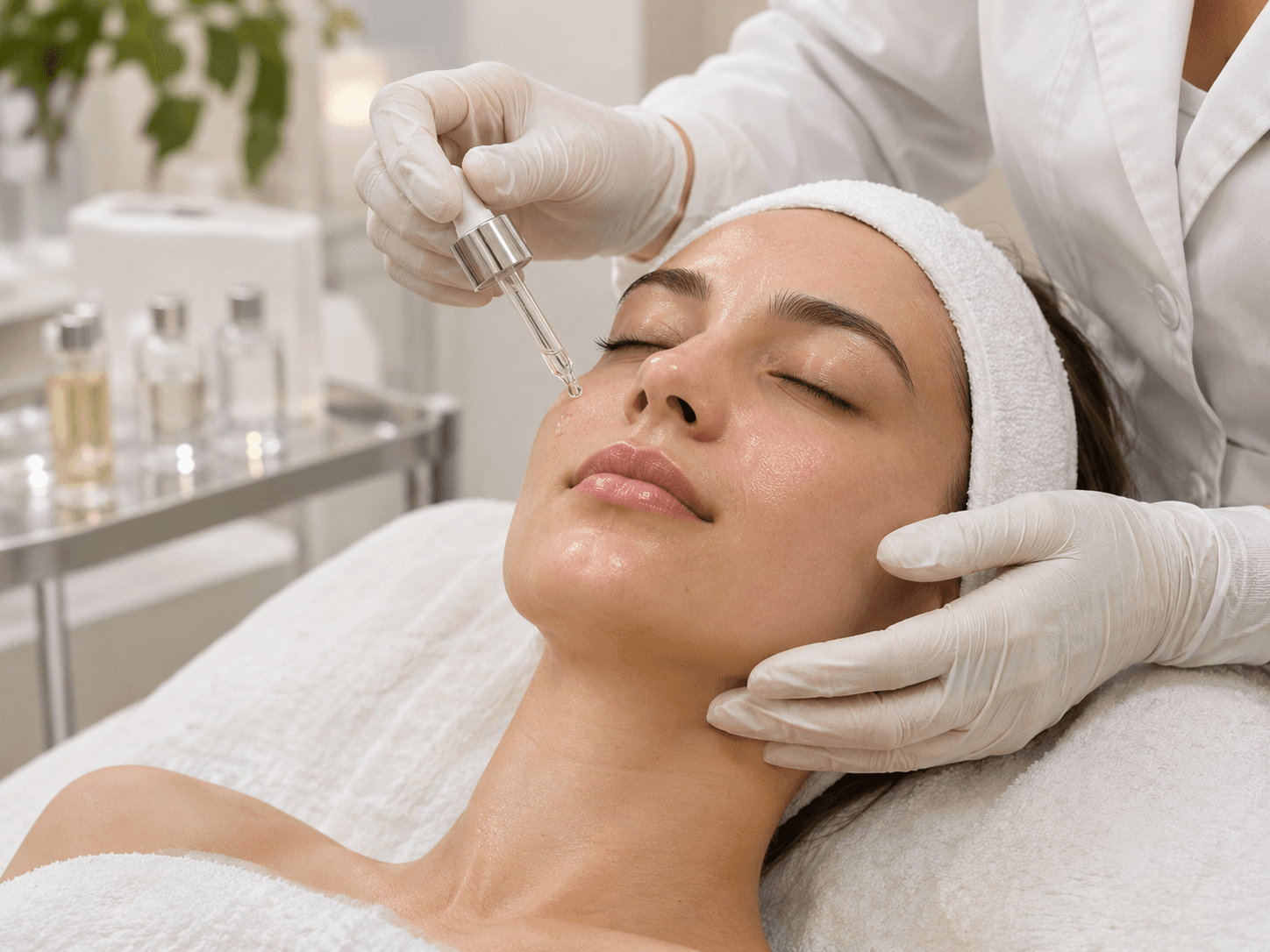
In recent years, aesthetic medicine has increasingly explored treatments that not only change the appearance of the skin, but also seek to influence the biological processes associated with its renewal.
After the popularity of hyaluronic fillers, collagen biostimulators and polynucleotides, a new generation of products comes to the spotlight – exosomes.
These microscopic particles have been the subject of scientific research for years, but only recently have they become widely popular in aesthetic medicine. Social media presents them as a revolutionary way to rejuvenate skin, reduce wrinkles, and promote regeneration.
However, behind the attractive promises lies a complex scientific story. Are exosomes really the future of aesthetic medicine or another trend that gained popularity before research gave definitive answers?
1. What exactly are exosomes?
Exosomes are extremely small particles that naturally release different cells in the body. They belong to a group of extracellular vesicles, i.e. microscopic structures surrounded by a membrane. Their important role is related to intercellular communication.
Exosomes can contain a variety of biological molecules, including proteins, lipids, and certain types of RNA. In this way, they participate in the transfer of information between cells and can affect different biological processes.
In regenerative medicine, scientists are particularly interested in their possible role in the regulation of inflammatory processes, tissue repair, and the formation of extracellular matrix components. It was this potential that attracted the attention of cosmetic dermatology.
It is important to know that not all exosomes are equal. Their properties depend on the origin, method of isolation, treatment and composition of the final preparation.
2. Why have exosomes become so popular?
One of the biggest trends in modern aesthetics is the transition from immediate appearance corrections to procedures aimed at gradually improving skin quality.
While traditional fillers primarily compensate for volume, regenerative treatments explore the possibilities of stimulating natural processes in tissue. Exosomes are particularly interesting due to their potential impact on fibroblasts, cells involved in the formation of collagen and other important skin components.
Laboratory research shows that certain extracellular vesicle preparations may affect processes associated with skin renewal. However, the results of laboratory research do not automatically mean that the same effect will be confirmed in humans.
This is why clinical trials play a key role in assessing their true value.
3. What skin problems can exosomes help treat?
**Wrinkles and loss of elasticity **
One of the most frequently researched areas is the improvement of skin appearance associated with aging.
Certain minor clinical studies have reported improvements in the appearance of fine wrinkles, elasticity, and skin texture following treatment with preparations containing exosomes or related extracellular vesicles.
However, the results are not uniform enough to guarantee the effectiveness of a particular product.
** Acne scars **
Exosomes are also being investigated as a potential complement to procedures designed to relieve acne scars.
Particularly interesting is their combination with procedures that promote collagen remodeling, such as microneedling and fractional lasers.
However, it is not yet completely clear how much of the observed improvement arises from the laser or microneedling treatment itself, and how much from the additionally applied preparation.
**Skin hydration and texture **
Some research suggests that certain preparations can improve the appearance and hydration of the skin.
However, exosomes are not necessary for effective hydration. Well-formulated moisturizers with glycerin, ceramides and other proven ingredients continue to be an important part of daily care.
** Hair loss **
Exosomes also attract attention in the field of dermatological treatments of the scalp.
Their possible impact on hair follicles and certain processes associated with hair growth are being investigated.
Although some initial results are promising, there is not yet enough quality long-term evidence to replace standard hair loss therapies.
4. What does an exosome treatment look like?
The method of application depends on the specific product and the type of treatment. In aesthetic practice, the preparations are sometimes applied to the surface of the skin or combined with various dermatological procedures. These include microneedling, certain laser treatments and procedures aimed at improving skin quality.
There are also commercial offers of injection application, but it raises additional issues of safety, sterility and regulatory status of the product. It is important to distinguish the application on undamaged skin from the introduction of preparations through the damaged skin barrier or by injection.
These are not the same procedures or the same level of risk. Recovery time also depends primarily on the method of administration and possible additional treatment. Therefore, before the procedure, it is important to request information about the exact product, its origin, purpose and safety documentation.
5. What does the latest research from 2026 say?
In 2026, several significant scientific reviews were published that analyzed the application of exosomes in aesthetic medicine. One systematic analysis published in the Aesthetic Surgery Journal included 39 studies investigating different effects on skin and hair.
The authors noted promising results in certain aesthetic indicators, but highlighted major differences between the investigated preparations and protocols. The second scientific review, published in October 2026, dealt specifically with the topical application of exosomes for skin rejuvenation.
The conclusion was that there are initial positive results, but that quality clinical trials are still limited. In other words, scientific potential exists, but exosomes have not yet been proven to be a universal skin rejuvenation solution.
6. Where are exosome treatments available in Croatia?
Although this technology is still being developed, some Croatian institutions have already included exosome treatments in their aesthetic offer.
Polyclinic Sinteza – Zagreb and Rijeka
Polyclinic Synthesis presents exosome therapy in its dermatological offer, including products from the Purasomes line.
According to the information of the institution, the treatment is aimed at improving the quality of the skin and the application of regenerative cosmetic approaches.
The Polyclinic has dermatological centers in Zagreb and Rijeka.
More information: https://sinteza.hr/usluge/dermatologija/terapija-egzosomima/
** Drinković Polyclinic – Zagreb**
The Drinković Polyclinic includes exosome treatments in the offer of procedures to improve skin quality. According to the publicly published price list, the independent treatment of exosomes is 350 euros.
We also offer a combination of SkinPen microneedling with exosomes, at a price of 400 euros for one treatment. The final selection of the procedure is determined individually after a medical assessment.
More information: https://drinkovic.hr/dermatologija/nekirurski-tretmani-i-pomladivanje/poboljsanje-kvalitete-koze-skin-quality-tretmani/
**Important: **These institutions publicly advertise exosomal treatments, but this alone does not confirm the clinical efficacy, regulatory status or safety of each individual preparation. Prices and availability should be checked directly with the institution.
7. Are exosomes safe?
Safety is one of the most important issues related to this trend. The US FDA has warned that no exosomal products are approved for medical use in the US. This does not automatically mean that all exosome cosmetic products have the same regulatory status in Europe.
However, it draws attention to the importance of distinguishing cosmetic preparations from biological therapies and experimental medical procedures. Inadequately prepared or applied products are at risk of infections, inflammatory reactions and other complications.
Special care should be taken when injecting and applying preparations to the skin immediately after invasive procedures. People considering treatment should ask the specialist for clear information about the product and its purpose.
8. Exosomes, polynucleotides or PRP – what's the difference?
Although these three methods are often mentioned in the context of regenerative aesthetics, they are not equal to each other. Exosomes are extracellular vesicles that transport different biological molecules between cells.
Polynucleotides are preparations containing nucleic acid fragments and are being investigated for possible effects on skin quality. PRP is a platelet-rich plasma preparation derived from the patient's own blood.
Each approach has a different biological basis, method of application and level of scientific substantiation. Currently, there is not enough quality direct comparative research to declare exosomes the best choice among these methods.
The future of regenerative aesthetics
Exosomes are an interesting area for the development of modern dermatology. Their possible role in intercellular communication, tissue regeneration and regulation of biological processes raises new research questions.
But there is an important difference between scientific potential and proven effective medical treatment. In the future, better clinical research, standardization of preparations and clear rules for their application will play a key role.
The most important thing is not to choose the latest treatment, but to understand what it can really achieve and how much its benefits and risks have been scientifically confirmed.
At Energy Clinic, explore experts and institutions in dermatology and aesthetic medicine and learn about modern skin care and rejuvenation options.
Not sure what suits you?
Find the right provider for you with our AI tool →