
Eight hours of sleep is often considered an ideal rest formula. However, many people feel tired despite a long enough sleep, lack of concentration or need for additional rest during the day.
The reason is simple: sleep duration and quality are not the same.
That is why sleep medicine is gaining an increasingly important place in preventive health care, but also in modern medical wellness.
What actually happens while we sleep?
Sleep is not a passive state in which the body simply shuts down.
During the night, the brain goes through various stages of sleep, including light sleep, deep sleep, and the REM phase, which is associated with dreams and important information processing processes.
Deep sleep is especially important for physical recovery, while the REM phase participates in the regulation of emotions, learning and memory. During the night, these phases alternate in cycles. If sleep is often interrupted, a person may spend eight hours in bed and still not get enough quality rest.
Why do some people wake up exhausted?
One possible cause is obstructive sleep apnea.It is a disorder during which there is repeated narrowing or closure of the upper respiratory tract, which can cause respiratory interruptions and short awakenings of which a person is often unaware.
Common signs include loud snoring, morning headaches, dry mouth, and pronounced daytime sleepiness.However, poor sleep quality can have other causes: chronic insomnia, stress, restless legs syndrome, irregular work schedules, or certain health conditions.
Therefore, prolonged fatigue is not always a problem that can be solved by going to bed earlier.
** Sleep medicine: when does rest become a medical issue?**
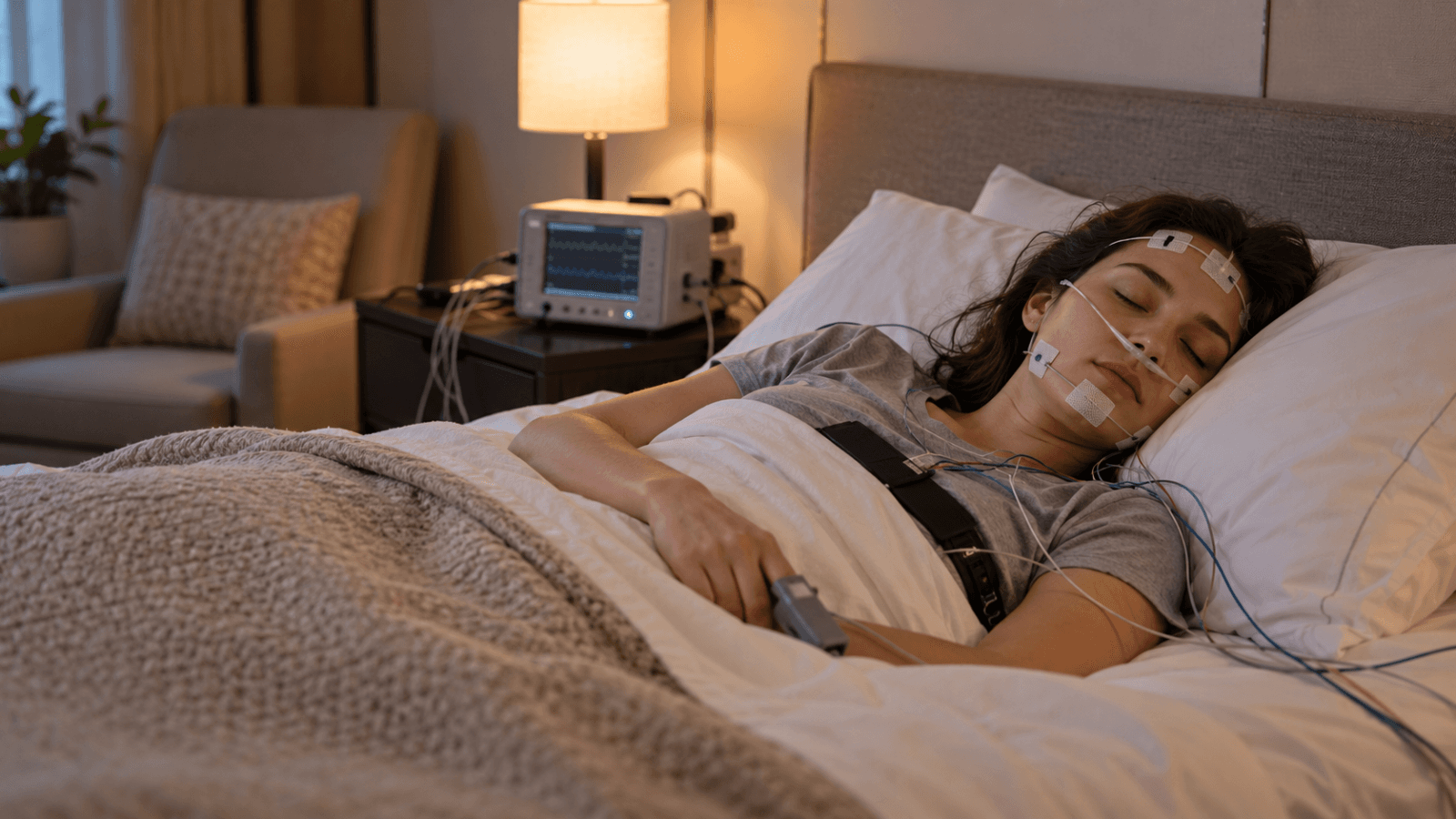
Specialized sleep medicine centers use a variety of diagnostic methods to understand what happens during the night. One of the most important is polysomnography, a search that records multiple physiological functions at the same time.
Depending on the type of test, brain activity, breathing, heart rate, blood oxygen levels and body movements can be monitored. In case of suspicion of certain breathing disorders, it is also possible to carry out simplified testing in home conditions.
The results help the doctor determine if there is a sleep disorder and what treatment is needed.It is important to distinguish such medical diagnostics from the data displayed by smartwatches and commercial sleep monitors. They can help track habits, but they can't replace a doctor's evaluation.
A new approach to insomnia: it is not always necessary to take medication
One of the significant advances in sleep medicine relates to the treatment of chronic insomnia.Cognitive-behavioral therapy for insomnia, known as CBT-I, is now recommended as the first treatment choice for many adults with chronic insomnia.
It is a structured program that helps change patterns of behavior and thinking that maintain sleep difficulties.The program may include regulating time spent in bed, creating a stable sleep schedule, and techniques to reduce tension associated with going to bed.
Unlike simple tips on avoiding screens or caffeine, CBT-I focuses on specific mechanisms that keep insomnia at bay. The American Academy of Sleep Medicine confirms its effectiveness in clinical guidelines.
What does all this have to do with medical wellness?
More and more wellness programs are putting sleep quality at the heart of their approach to health.
Individual recovery programs, lifestyle assessments, stress management techniques, and counseling related to circadian rhythm are offered.
Lighting, room temperature, noise level and daily exposure to natural light can also affect the quality of rest.Such programs can be useful in promoting healthier habits. Still, a luxury room, a special mattress, or a personalized wellness ritual can't treat a serious sleep disorder like obstructive apnea.
Quality medical wellness must be able to recognize the line between relaxation and a health problem that requires diagnosis.
When to seek professional help?
If you regularly wake up tired, have difficulty staying awake during the day, or someone notices interruptions in your breathing during sleep, it is advisable to talk to your doctor.
The same applies to long-term difficulty falling asleep or frequent night awakenings that affect daily functioning.
The goal is not to achieve a perfect score on a smartwatch, but to understand what your body really needs. The future of wellness begins with quality sleepIn an industry that constantly presents new treatments, appliances and methods of rejuvenation, it is easy to forget one of the most important basics of health. Quality sleep does not necessarily require expensive technology, but sometimes requires expert evaluation.
The real progress of medical wellness is not to make the holiday more luxurious, but to help people better understand and preserve their own health.Explore health and wellness facilities and find services that meet your needs at the Energy Clinic.